
#astonmartin #valen #limited #luxury #supercar #supercars #luxurycars
#power #noise #carbonfiber
Für den deutschen Text bitte nach unten scrollen.
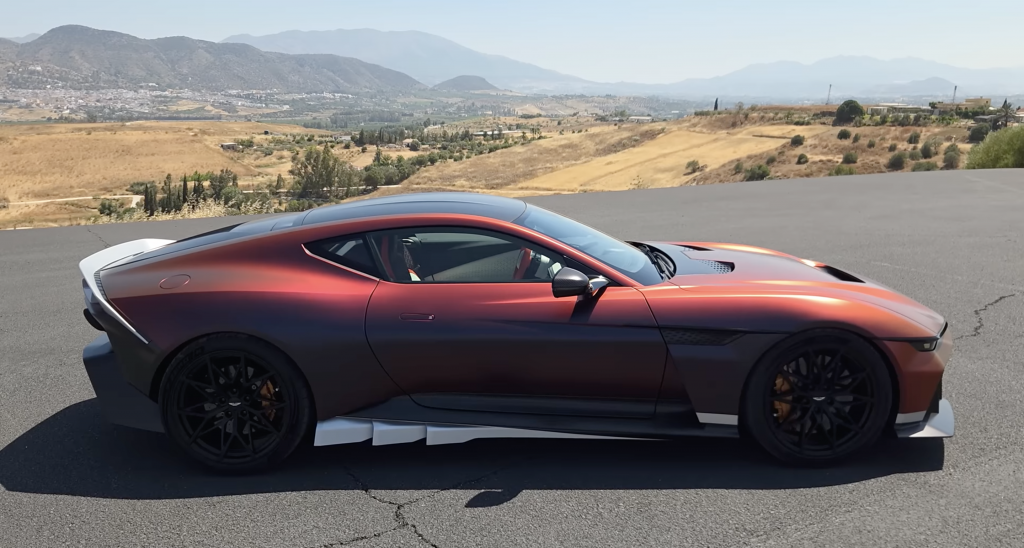
There are cars that are fast. There are cars that are expensive. And then there is the Aston Martin Valen – a car that makes you wonder whether the engineers in Gaydon eventually decided to throw every last bit of common sense out of the window.
And that is precisely why it is so fascinating.

Aston Martin unveiled the Valen on August 14, 2026, during Monterey Car Week. It is not simply another new Aston Martin, but a strictly limited V12 special edition, restricted to just 150 examples and developed by Aston Martin’s Q division and Special Vehicle Operations.
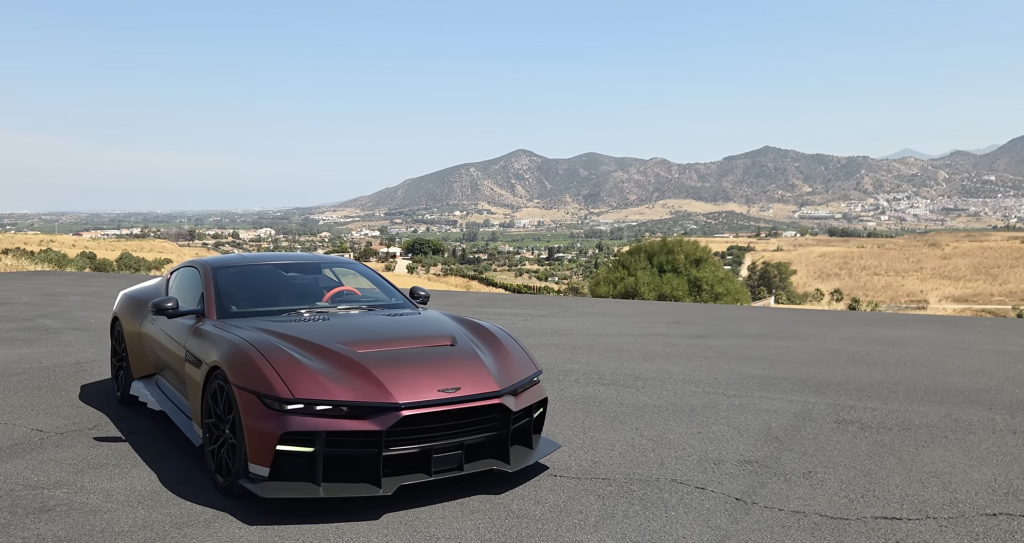
And yes: it looks as though someone took a Vanquish, locked it inside a gym for three nights, and then told it that it absolutely needed to look more aggressive.
850 horsepower – because apparently 849 wasn’t enough
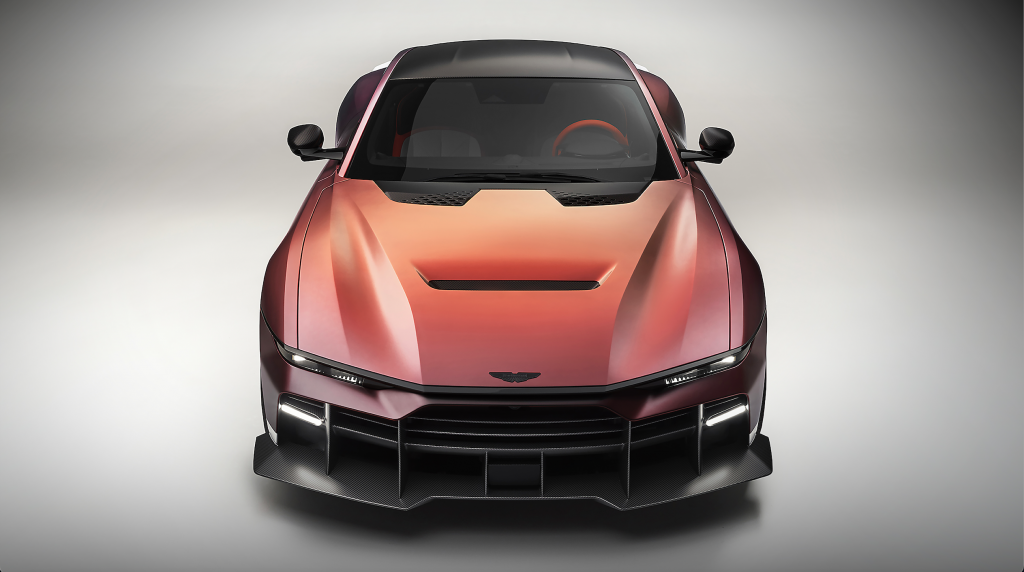
Under that impossibly long bonnet sits the real heart of the Valen: a 5.2-litre twin-turbocharged V12.
Aston Martin officially quotes 850 horsepower and 1,000 Nm of torque. That makes the Valen the most powerful front-engined Aston Martin in the company’s history and, according to Aston Martin, the most powerful front-engined production car from any manufacturer.
The numbers are, unsurprisingly, ridiculous.
0–60 mph takes around 3.0 seconds, while top speed is rated at 214 mph, or approximately 344 km/h.But interestingly, outright power is not even the most fascinating thing about the car.Because Aston Martin has done something that feels almost rebellious these days:
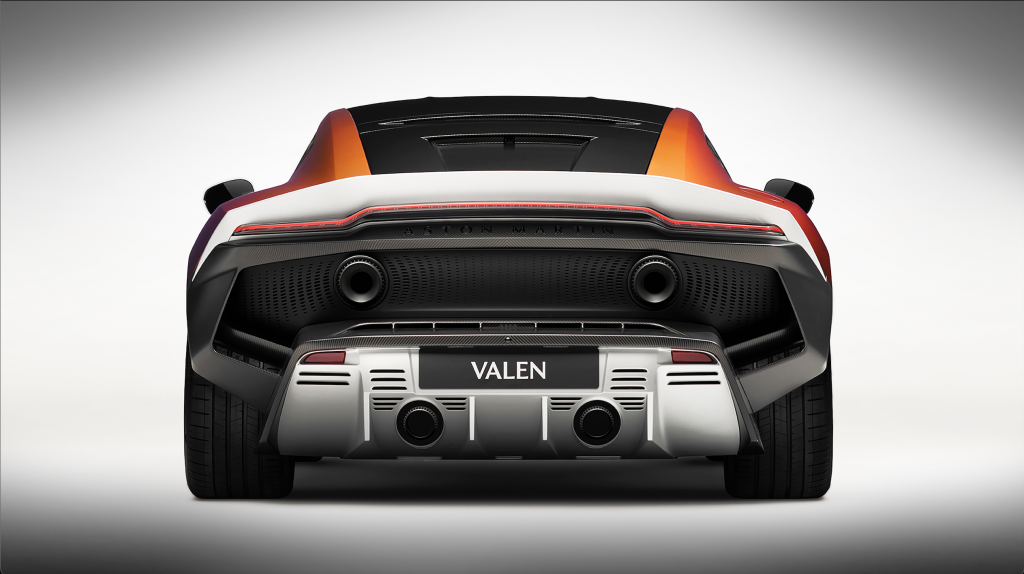
It has worried about the sound.
Twelve cylinders and a rather loud problem
The Valen features a specially developed titanium exhaust system with an unusual 12-to-4 configuration.According to Aston Martin, the result is around 50 percent louder than the Vanquish. Parts of the exhaust system have even been positioned in such a way that vibrations and sound are transmitted more directly into the cabin.
It is gloriously irrational.

Because the world of supercars is increasingly filled with electric hypercars, artificially generated soundtracks and acceleration figures at which the human body is beginning to consider forming a labour union.
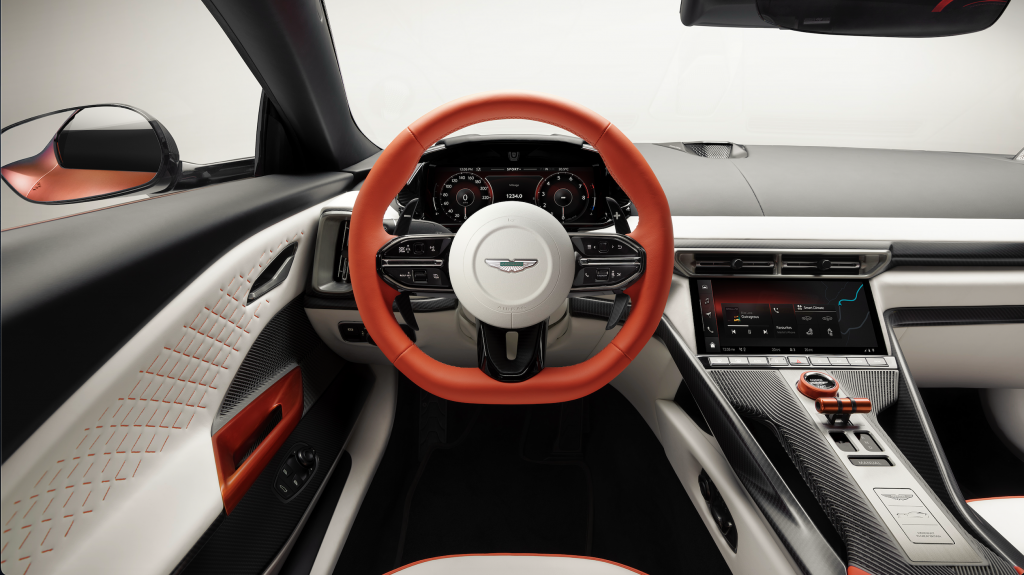
And Aston Martin appears to be saying:“Yes, but have you ever heard a V12?”
The Valen is designed to deliver exactly that experience.
Less weight, more drama
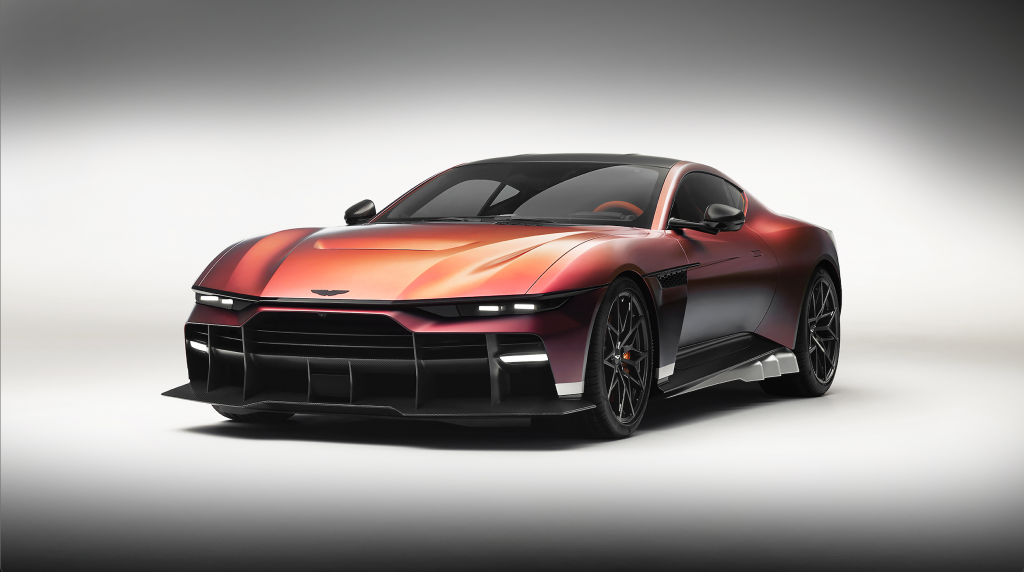
The Valen is not simply a Vanquish with a different exhaust.
Aston Martin has gone to considerable lengths to reduce weight. Carbon fibre, titanium, aluminium and magnesium are used extensively throughout the car. Depending on the comparison, the Valen sheds around 110 kilograms, or more than 240 pounds, compared with the underlying V12 platform.
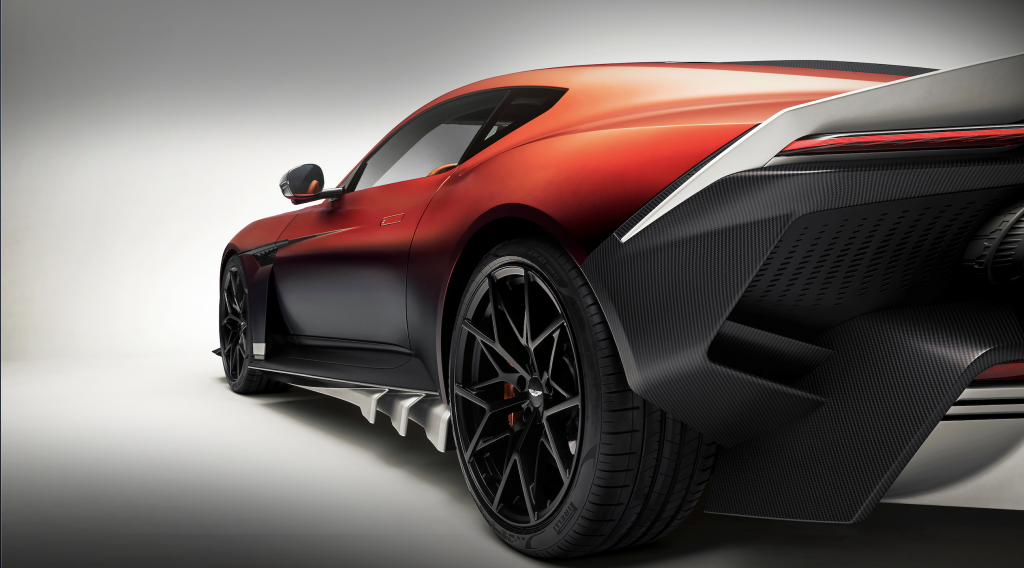
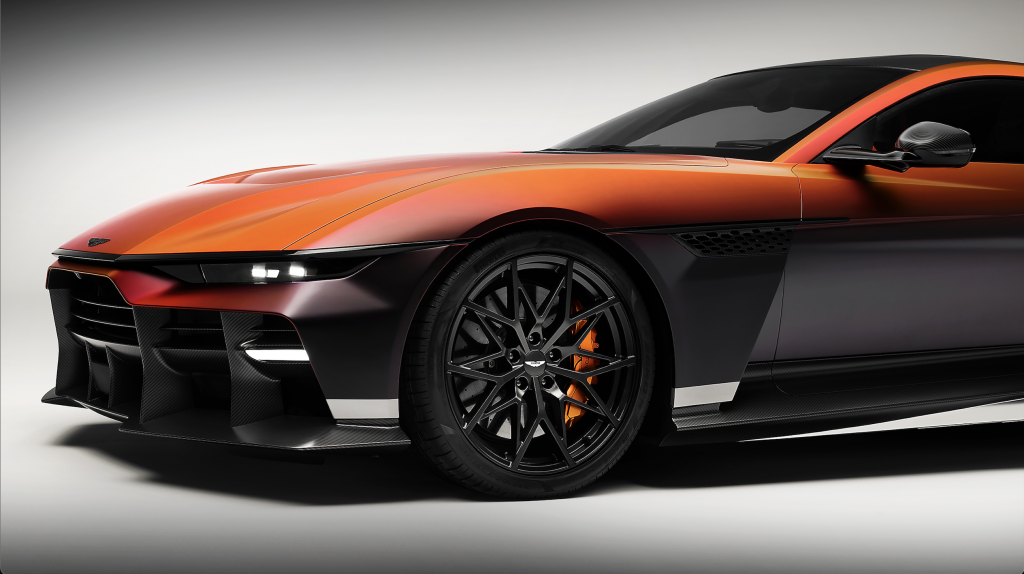
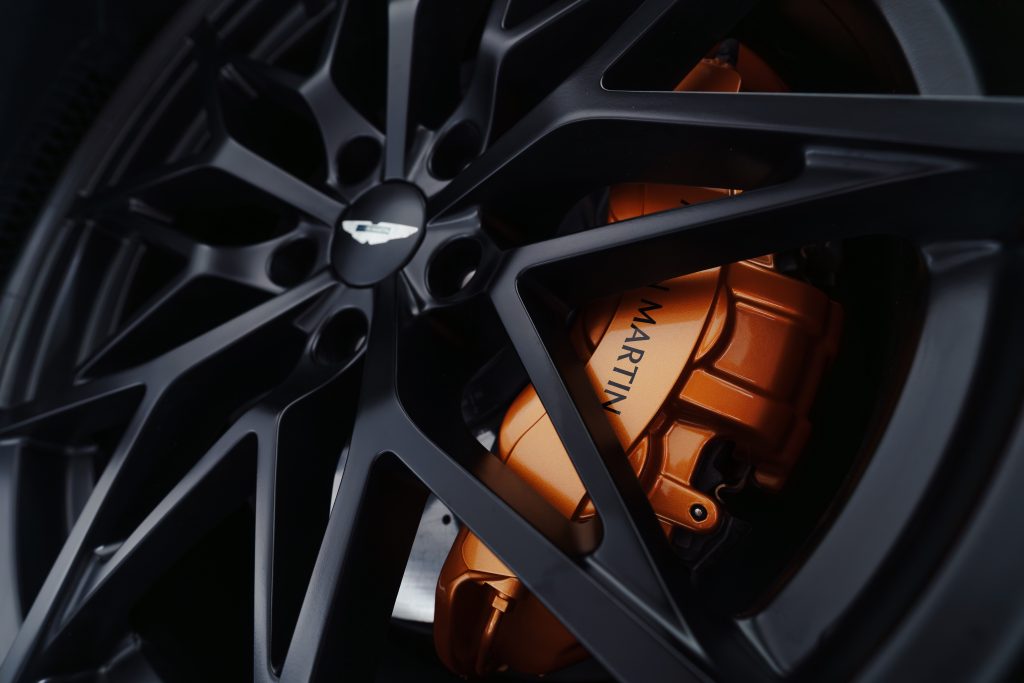
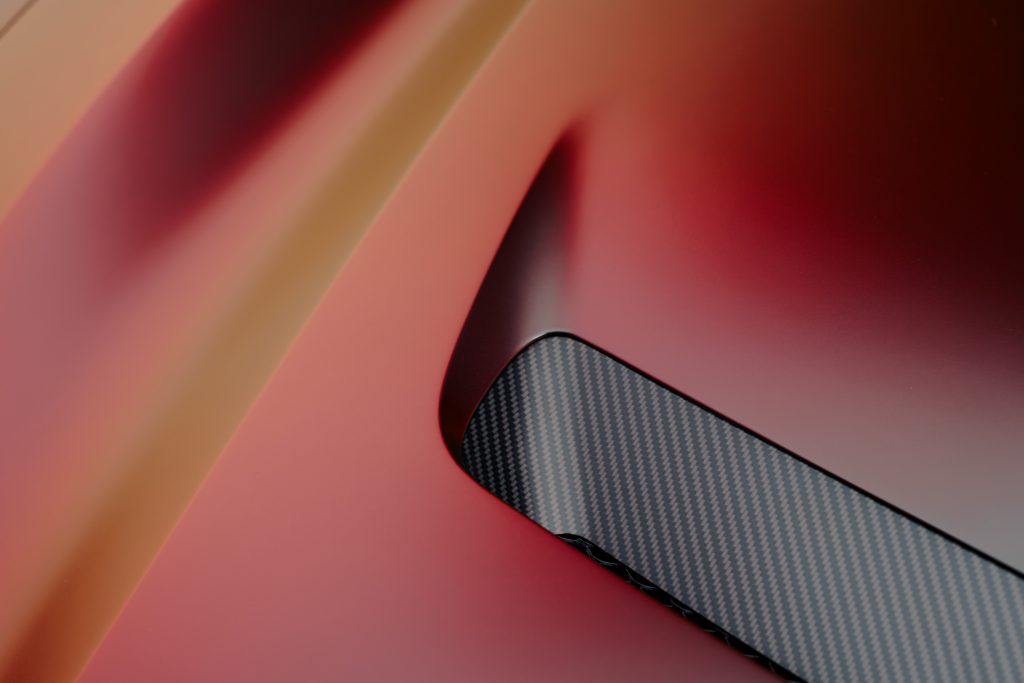
Then there are the 21-inch magnesium wheels, carbon-ceramic brakes, specially developed Pirelli tyres and Bilstein DTX dampers.

The whole thing sounds less like a luxury grand tourer and more like someone at Aston Martin asked:
“What if we built an Aston that could intimidate its driver just a little?”
An excellent question.
And then there is the design
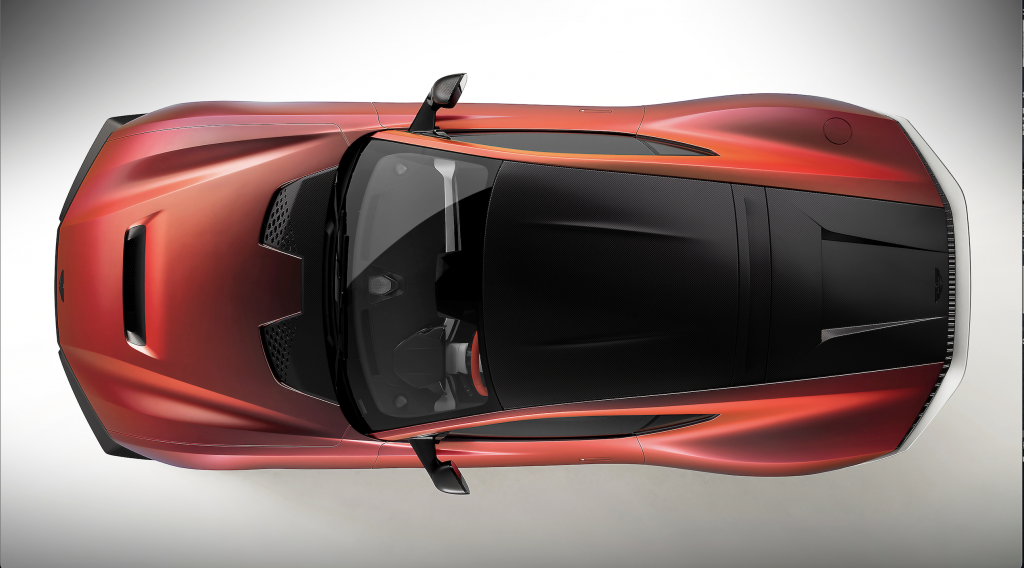
The Valen does not look like a car that politely waits outside a five-star hotel.
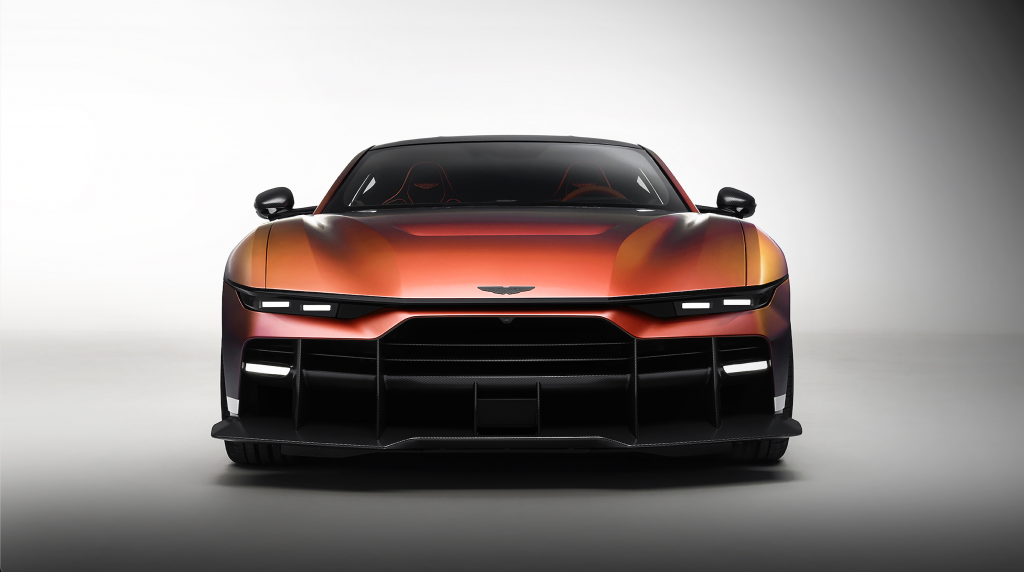
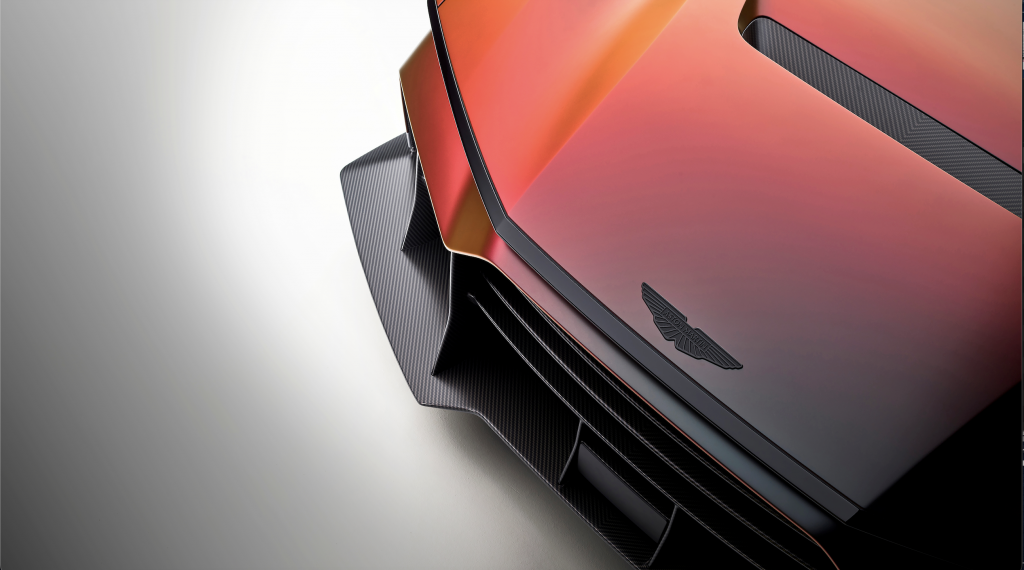
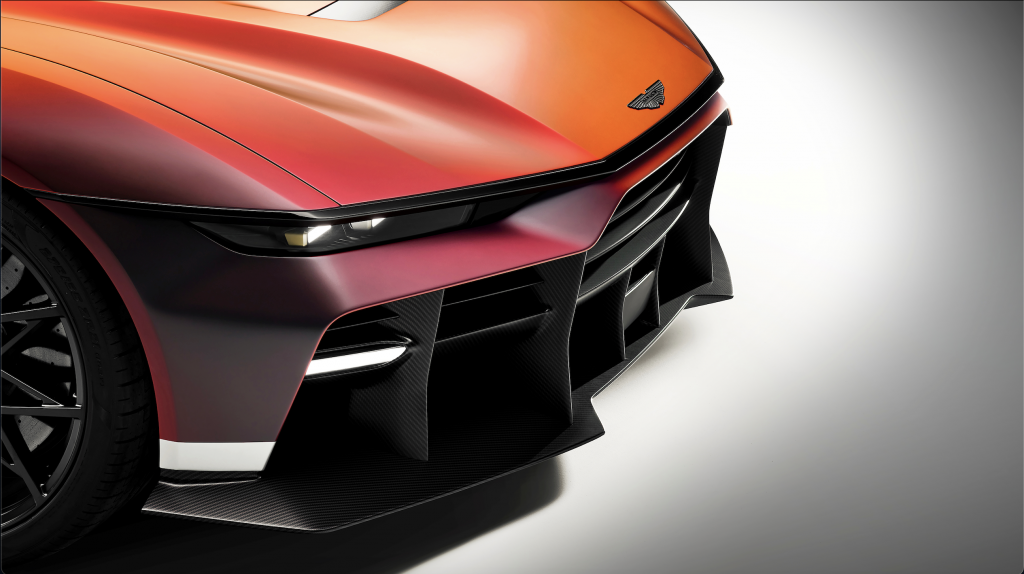
The front end is low and aggressive, with extremely narrow headlights, while huge openings and aerodynamic elements give the car an almost prototype-like character. The bodywork is constructed entirely from carbon fibre.
At the rear, things become even more dramatic.
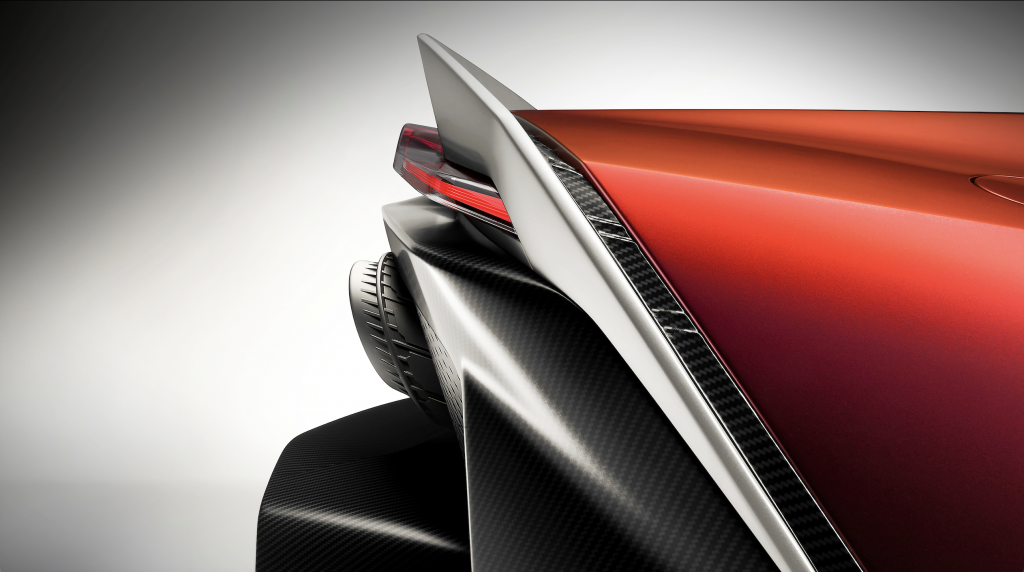
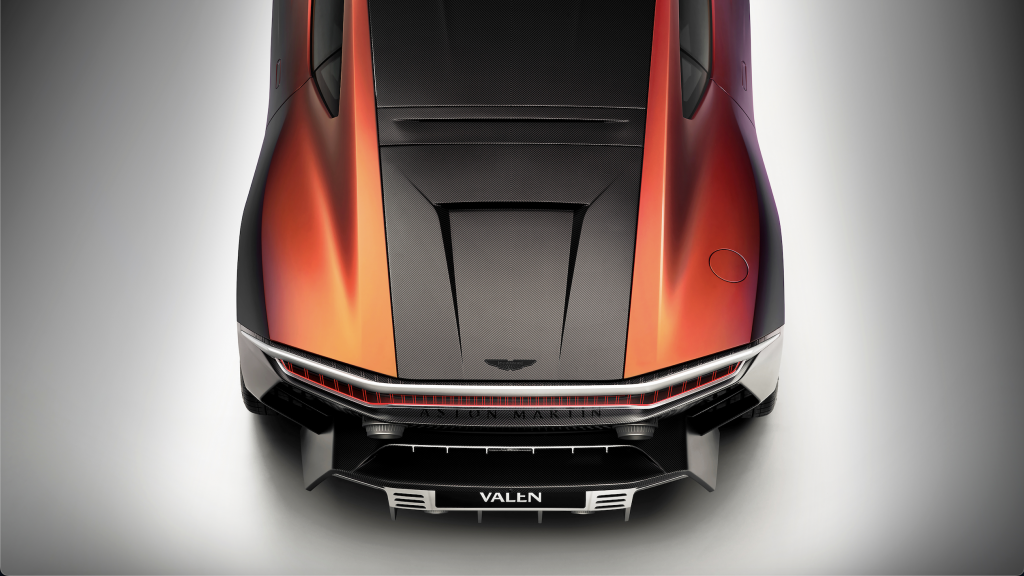
A large wing, an aggressive diffuser, unusual lighting elements and four exhaust outlets make the Valen look as though it was actually designed for a film production – and someone simply forgot to tell the production team that the car would eventually have to drive on public roads.

And that is precisely where the appeal lies.Aston Martin has not tried to make the Valen look elegant.
It wants to be noticed.
The price? Naturally, completely insane
The Valen comes with a starting price of around US$2 million, making it anything but a bargain. European reports put the figure at roughly £1.5 million before individual customisation.
And that is where Aston Martin’s Q division enters the picture.Because at this price level, apparently you do not simply buy a colour.
You buy a personal interpretation.
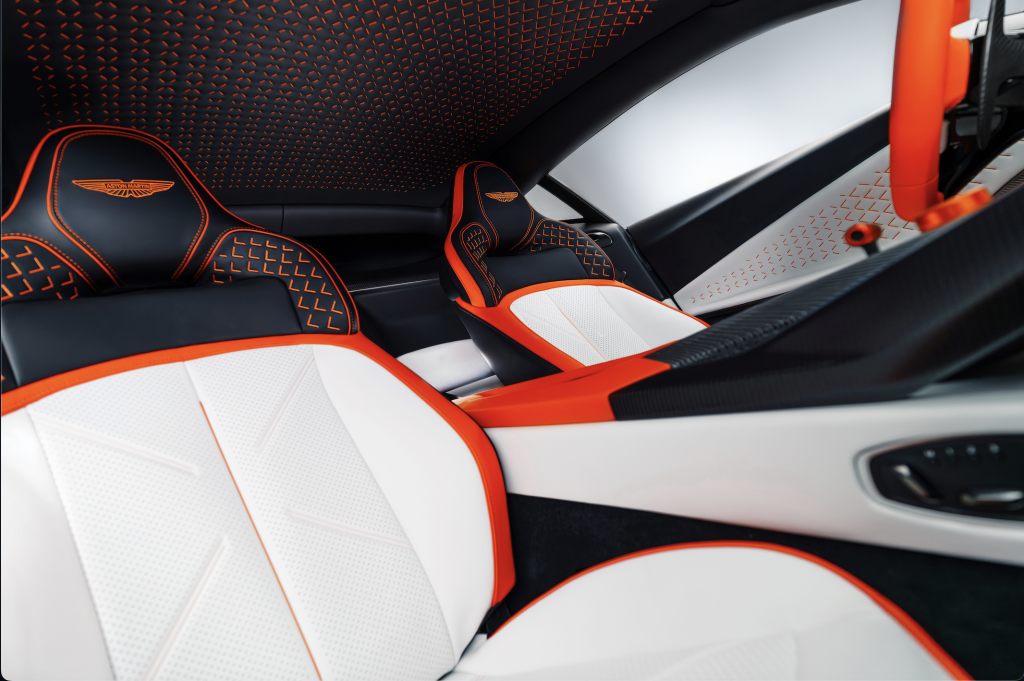
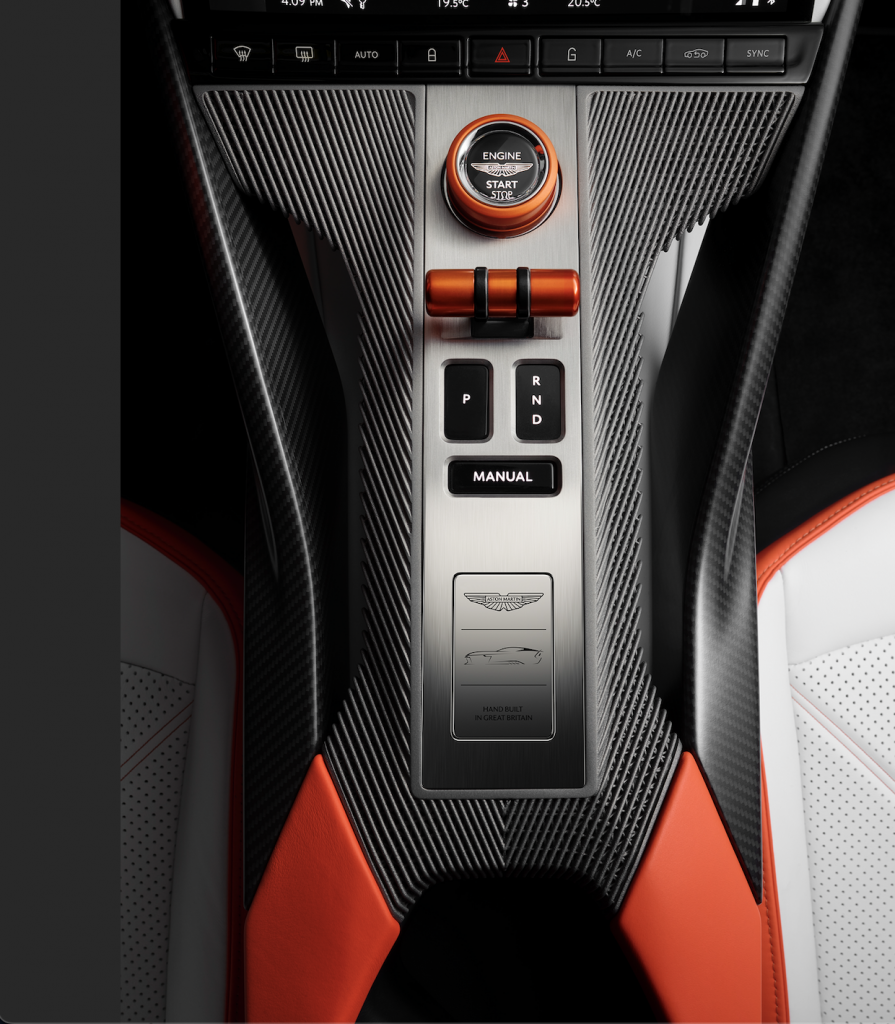
The interior can be specified with special materials, 3D-printed components and a vast range of individualisation options.
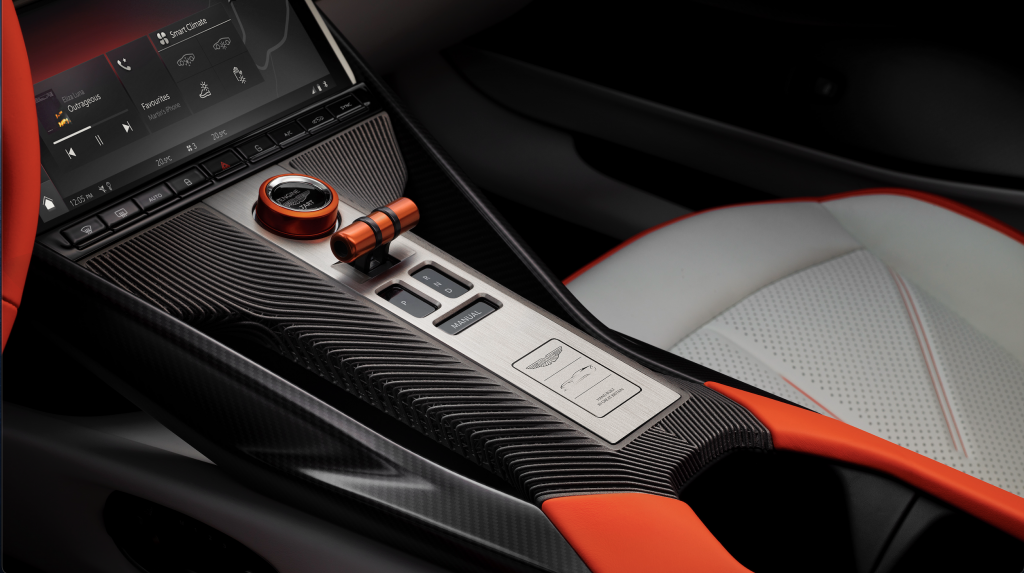
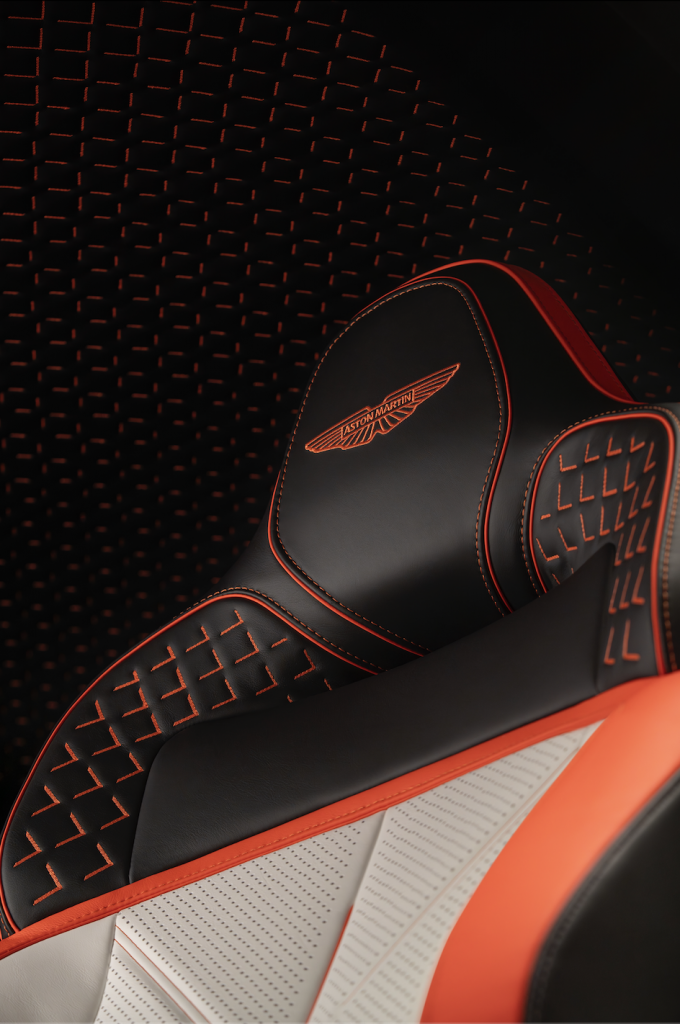
In other words:
If you absolutely insist on owning a two-million-dollar Aston Martin with an interior in exactly the same colour as your favourite bicycle, there will probably be someone at Aston Martin who can make it happen.
So, is the Valen a supercar?
Yes.But perhaps not in the traditional sense.
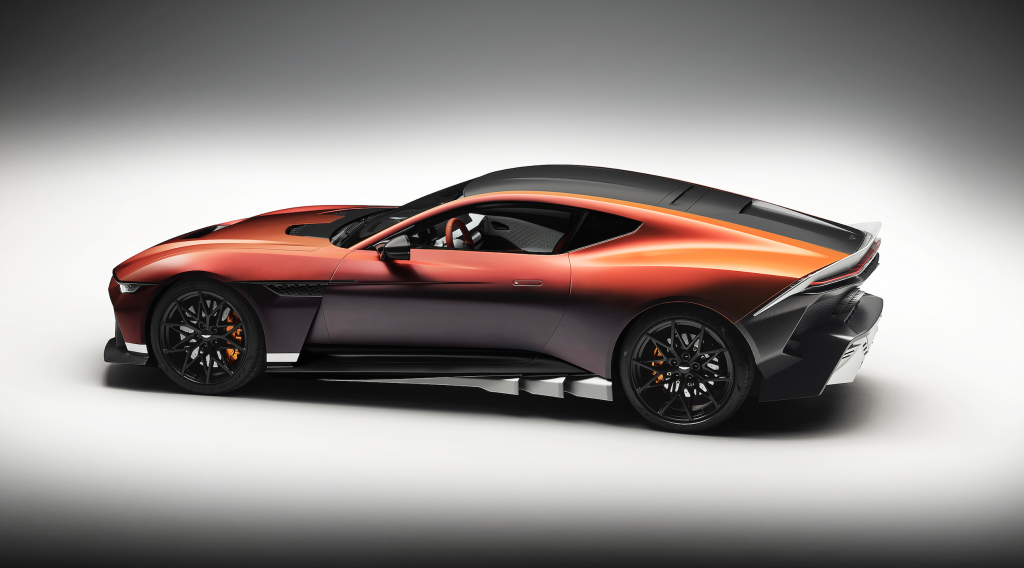
It is not simply designed to chase the final tenth of a second around a racetrack. Aston Martin appears to have a different definition of performance.
The Valen is supposed to be fast, dramatic, loud and emotional.
It is supposed to feel special.And perhaps that is the real message behind the car.At a time when electric cars with four-digit horsepower figures can effortlessly out-accelerate traditional supercars, a combustion-engined machine increasingly has to offer more than sheer speed.
The Valen offers a V12.It offers 1,000 Nm.It offers carbon fibre.It offers 344 km/h.And, above all, it offers something no specification sheet can truly describe:Theatre.
The verdict
Is the Aston Martin Valen sensible?Of course not.Is it necessary?Absolutely not.Is it likely to be one of the most interesting cars of 2026?Oh yes.
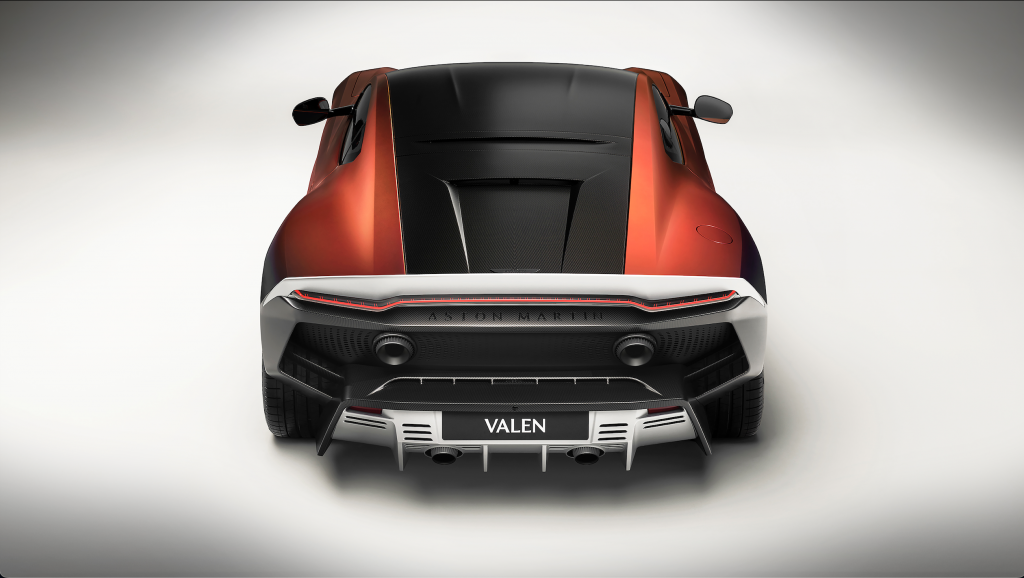
Because one day we will look back and ask ourselves why Aston Martin built an 850-horsepower V12 just as the automotive world was preparing for its final transformation.And that is exactly why we will remember it.The Valen is not a car trying to explain the future.
It is a car that appears to have decided to enjoy the present as loudly as possible.
And if that means 150 very fortunate people will soon be driving around in a two-million-dollar V12 while the rest of us listen to them disappear into the distance, then perhaps that is exactly the kind of completely irrational madness the automotive world was missing.Aston Martin Valen: 850 horsepower, 1,000 Nm, V12, 214 mph – and probably more character than most modern cars combined.
The final word
“Power. Noise. Carbon fibre. And a ridiculous amount of money. What could possibly go wrong?”
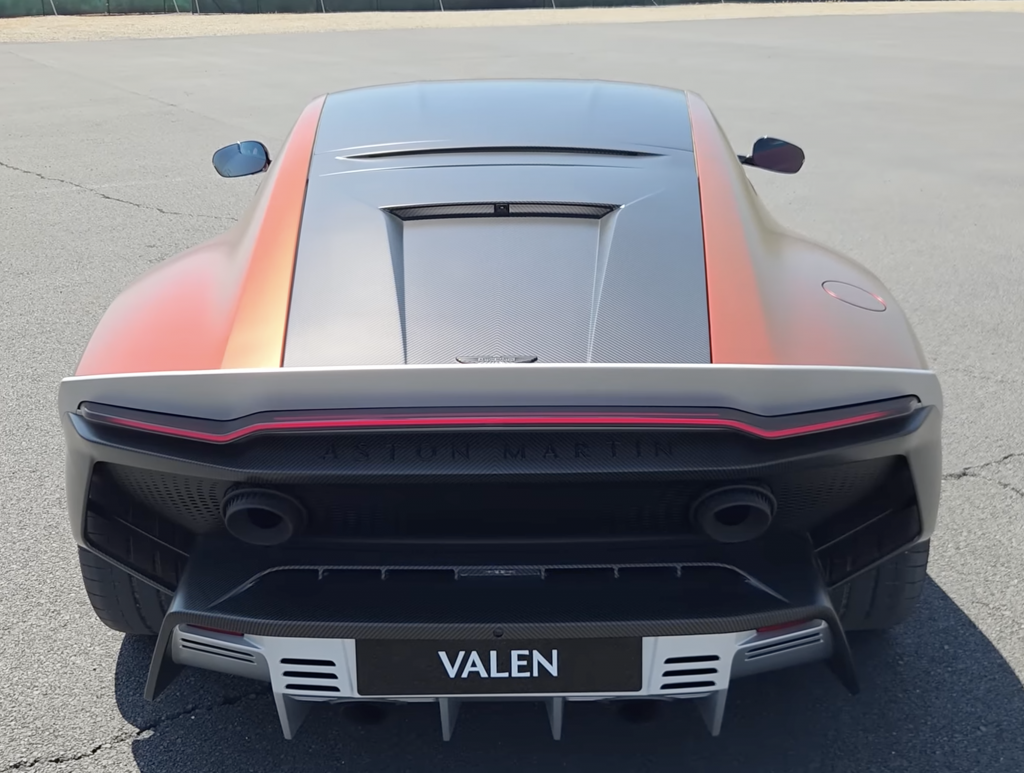
In one sentence:
The Aston Martin Valen is what happens when an old-school V12 grand tourer is given 850 horsepower, a carbon-fibre diet, a titanium exhaust and absolutely no sensible reason to exist – which is precisely why it is so wonderful.
copy mk images Aston Martin Lagonda Limited
Technical Summary
| Specification | Aston Martin Valen |
| Engine | 5.2-litre twin-turbocharged V12 |
| Power | 850 hp |
| Torque | 1,000 Nm |
| Drive layout | Front-engined |
| 0–60 mph | Approx. 3.0 seconds |
| Top speed | 214 mph / approx. 344 km/h |
| Production | 150 units |
| Bodywork | Full carbon fibre |
| Exhaust | Titanium, 12-to-4 configuration |
| Exhaust volume | Approx. 50% louder than Vanquish |
| Wheels | 21-inch magnesium |
| Brakes | Carbon-ceramic |
| Tyres | Specially developed Pirelli |
| Dampers | Bilstein DTX |
| Weight saving | Approx. 110 kg / 240+ lb vs. underlying V12 platform |
| Customisation | Aston Martin Q division |
| Starting price | Approx. US$2 million |
| European reported price | Approx. £1.5 million before customisation |
| Production status | Strictly limited special model |
| Character | Fast. Loud. Dramatic. Entirely unnecessary. |
Aston Martin Valen Power Noise Carbonfiber
839 PS, ein 5,2-Liter-V12, Hinterradantrieb und ein Design, das aussieht, als hätte jemand einem klassischen Aston Martin schlechte Laune beigebracht. Der neue Aston Martin Valen ist kein Auto für Menschen, die unauffällig bleiben wollen. Und genau deshalb ist er so faszinierend.
Aston Martin hat sich beim neuen Valen offenbar eine ziemlich einfache Frage gestellt: Was wäre, wenn wir den Vanquish nehmen, sämtliche Zurückhaltung ausbauen und ihn anschließend mit einer gehörigen Portion Wahnsinn versehen?
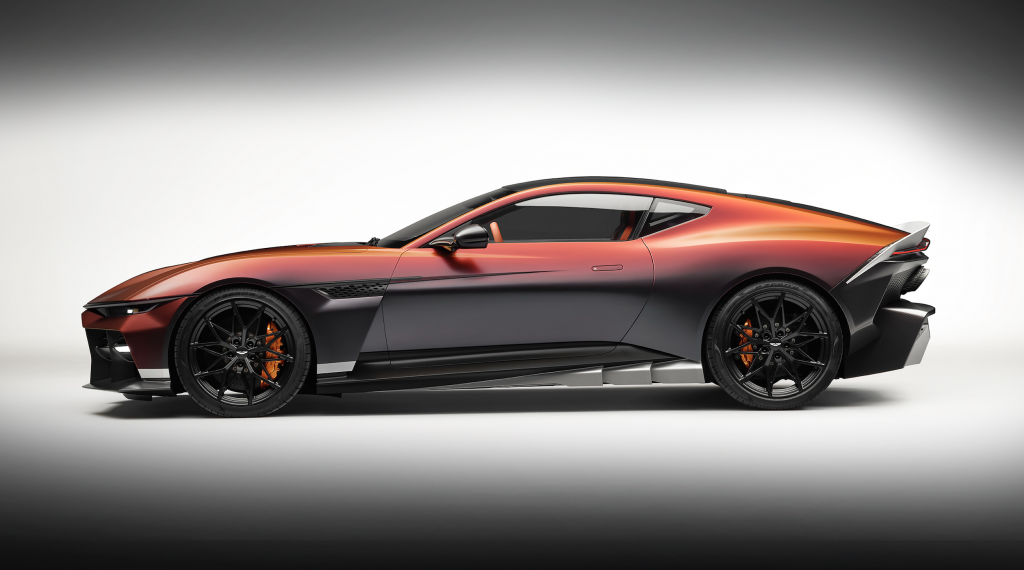
Die Antwort heißt Valen – und sie ist laut, schnell und ziemlich kompromisslos.
Man kann den neuen Aston als brutal und aerodynamisch extrem aufgeladen. Das passt: Statt der üblichen eleganten Zurückhaltung eines Aston Martin trägt der Valen sichtbare Carbon-Aerodynamik, markante Luftführungen und F1-inspirierte Strömungselemente.
Ein V12, der sich weigert auszusterben
Unter der langen Motorhaube sitzt ein 5,2-Liter-V12 mit Biturbo-Aufladung. Die Leistung liegt bei rund 838–839 PS, das maximale Drehmoment bei etwa 737 lb-ft beziehungsweise rund 1.000 Nm. Die Kraft wird über eine Achtgang-Automatik ausschließlich an die Hinterräder geschickt.

Das ist der Punkt, an dem der Valen plötzlich sehr interessant wird.
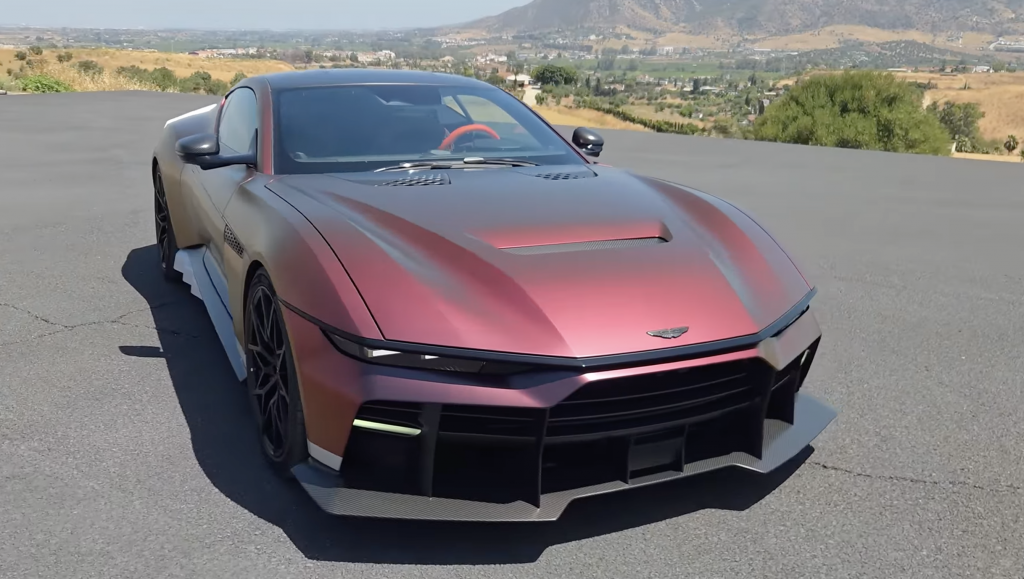
Denn während Aston Martin mit dem Valhalla längst gezeigt hat, wie beeindruckend ein moderner Hybrid-Supersportwagen sein kann – der Valhalla kommt auf 1.079 PS und 0–100 km/h in 2,5 Sekunden –, geht der Valen einen anderen Weg.Hier gibt es keinen elektrischen Allradantrieb, der die Physik einfach wegdiskutiert.Hier gibt es einen gewaltigen V12.Und zwei angetriebene Hinterräder.
Das könnte sehr unterhaltsam werden.
Schnell? Natürlich. Aber darum geht es nicht.
Der Valen soll in etwa 3,0 Sekunden von 0 auf 60 mph beschleunigen und eine elektronisch begrenzte Höchstgeschwindigkeit von rund 214 mph beziehungsweise 344 km/h erreichen.
Doch reine Beschleunigungswerte erzählen bei einem solchen Auto nur die halbe Geschichte.
Der Valen wurde leichter gemacht und erhält unter anderem Magnesiumräder, Carbon-Komponenten, Titan und Carbon-Keramikbremsen. Dazu kommen speziell abgestimmte Fahrwerkskomponenten und Pirelli-Hochleistungsreifen. Insgesamt sollen gegenüber dem Ausgangspunkt mehrere hundert Pfund Gewicht eingespart worden sein.
Das Ziel ist also nicht einfach: schneller geradeaus fahren. Das Ziel ist, dass der Fahrer spürt, was mit dem Auto passiert.
Und dann wäre da noch der Auspuff
Aston Martin hätte natürlich einfach einen normalen Sportauspuff einbauen können.
Das wäre allerdings ziemlich langweilig gewesen.
Stattdessen bekommt der Valen ein ungewöhnliches 12-zu-4-Titansystem. Die zwölf Abgasrohre beginnen am V12 und werden später zu vier Auslässen zusammengeführt. Das Ergebnis soll rund 50 Prozent lauter als beim Vanquish sein.
Und genau hier beginnt die eigentliche Valen-Story.
Denn der Valen ist offenbar nicht nur darauf ausgelegt, schnell zu sein. Er soll sich dramatisch anfühlen.
Der Motor soll schon bei relativ niedrigen Drehzahlen einen großen Teil seines akustischen Auftritts entwickeln. Das bedeutet: Man muss nicht erst mit 250 km/h über eine Rennstrecke fahren, um etwas von dem Auto zu bekommen. Man kann offenbar schon beim Beschleunigen auf eine Landstraße denken:
„Das ist völlig übertrieben.“ Und dann noch einmal Gas geben.
Das Design: Aston Martin auf Krawall
Der klassische Aston Martin ist normalerweise ein Meister der Zurückhaltung. Lange Motorhaube. Elegante Linien. Schmale Leuchten. Ein bisschen James Bond.Der Valen hat diese DNA nicht vergessen – er hat sie lediglich in die Mangel genommen.
Die Front wirkt deutlich aggressiver. Große Öffnungen, Carbon und aerodynamische Elemente dominieren die Karosserie. Seitlich finden sich auffällige Strömungsleitelemente, während das Heck mit einer ungewöhnlichen Abgasanlage und einem extremen Diffusor auftritt.
Es ist Aston Martin, aber Aston Martin nach drei Espressos und einer sehr schlechten Nacht.Und genau das macht den Valen interessant.
Luxus trifft Motorsport
Im Innenraum bleibt Aston Martin seinem Anspruch treu.
Der Valen ist kein leergeräumter Rennwagen mit zwei Sitzen und einem Stück Carbon als Armaturenbrett. Stattdessen verbindet er Leichtbau mit hochwertiger Verarbeitung und umfangreichen Individualisierungsmöglichkeiten über Q by Aston Martin.
Besonders interessant sind dabei die maßgeschneiderten Elemente und 3D-gedruckten Komponenten.Das ist typisch Aston Martin:Man möchte einen Wagen bauen, der auf der Rennstrecke funktionieren kann – aber der Besitzer soll sich trotzdem fühlen, als hätte er gerade ein maßgeschneidertes britisches Luxusprodukt bestellt.
Nur 150 Exemplare
Und natürlich kommt der Haken.Oder, wenn man Aston Martin glaubt, der wichtigste Teil des Geschäftsmodells.

Vom Valen sollen weltweit lediglich 150 Exemplare gebaut werden. Der Einstiegspreis liegt laut aktuellen Berichten bei ungefähr 2 Millionen US-Dollar. Die ersten Auslieferungen sind für das zweite Quartal 2027 vorgesehen.
Damit ist der Valen weniger ein Auto, das man einfach beim Händler bestellen kann, und mehr ein automobilistisches Sammlerstück.Was wiederum bedeutet, dass die meisten Menschen ihn wahrscheinlich niemals fahren werden.Aber darum geht es bei solchen Autos ohnehin nur teilweise.
Das Urteil
Der Aston Martin Valen ist interessant, weil er nicht versucht, der Vernünftigste zu sein.Er ist nicht der effizienteste Aston Martin.Er ist nicht der komfortabelste.Er ist nicht einmal der technisch extremste – dafür gibt es den Valhalla und die Valkyrie.Der Valen ist etwas anderes:
Er ist der Aston Martin für den Menschen, der einen V12 noch einmal richtig erleben möchte.
Ein großer Motor. Hinterradantrieb. Gewaltige Leistung. Lauter Auspuff. Aggressive Aerodynamik. Wenig Gewicht. Und eine Produktionszahl, die garantiert, dass er schon während seiner Geburt zum Sammlerobjekt wird. Man sollte eher nicht lange darüber diskutieren, ob der Valen vernünftig ist.Denn das wäre ungefähr so, als würde man fragen, ob ein Feuerwerk ein gutes Heizsystem ist.
Der Aston Martin Valen soll nicht vernünftig sein. Er soll einen Puls erzeugen.
Und wenn die ersten Exemplare 2027 auf die Straße kommen, dürfte genau das seine größte Stärke sein.Denn in einer Welt, in der immer mehr Hochleistungsautos auf Elektrifizierung, künstliche Geräuschkulissen und digitale Geschwindigkeit setzen, wirkt ein brutaler, frontmotoriger V12 mit Hinterradantrieb fast schon rebellisch.
Der Valen ist kein Schritt in die Zukunft.
Er ist Aston Martins sehr lauter Versuch, einen Teil der Vergangenheit mit Vollgas in die Zukunft zu schleudern.
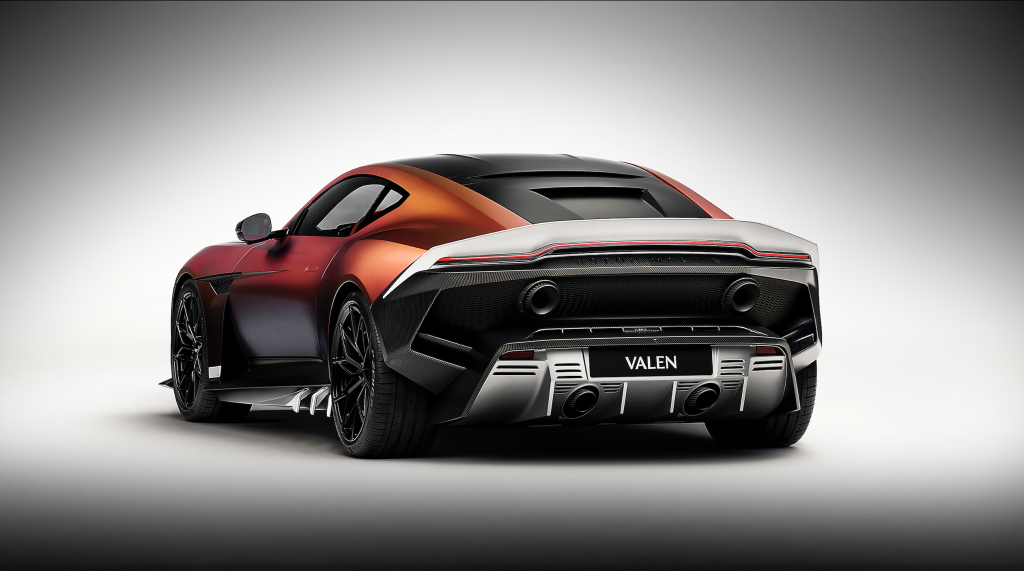
Jetzt fehlt eigentlich nur noch ein Sinnspruch zum Aston Martin Valen. Hier ist er:
„Kraft,Lärm und Carbon.Das alles als ein veritables Investment.“
Was könnte also schiefgehen?
In einem Satz:
Der Aston Martin Valen ist das Ergebnis, wenn man einem V12-Grand-Tourer alter Schule 850 PS, eine Kohlefaser-Diät und eine Titan-Auspuffanlage verpasst – und ihm dabei jeglichen vernünftigen Daseinszweck nimmt; genau das macht ihn so wunderbar.
text mk fotos Aston Martin Lagonda Limited
Technische Zusammenfassung
| Spezifikation | Aston Martin Valen |
| Motor | 5,2-Liter-V12 mit zwei Turboladern |
| Leistung | 850 PS |
| Drehmoment | 1.000 Nm |
| Antriebskonzept | Frontmotor |
| 0–60 mph | ca. 3,0 Sekunden |
| Höchstgeschwindigkeit | 214 mph / ca. 344 km/h |
| Produktion | 150 Exemplare |
| Karosserie | Vollständig aus Kohlefaser |
| Abgasanlage | Titan, 12-zu-4-Konfiguration |
| Abgaslautstärke | ca. 50 % lauter als beim Vanquish |
| Räder | 21-Zoll-Magnesiumräder |
| Bremsen | Carbon-Keramik |
| Reifen | Speziell entwickelte Pirelli-Reifen |
| Dämpfer | Bilstein DTX |
| Gewichtsersparnis | ca. 110 kg / mehr als 240 lb gegenüber der zugrunde liegenden V12-Plattform |
| Individualisierung | Aston Martin Q-Abteilung |
| Einstiegspreis | ca. 2 Millionen US-Dollar |
| Europäischer Richtpreis | ca. 1,5 Millionen £ vor Individualisierung |
| Produktionsstatus | Streng limitiertes Sondermodell |
| Charakter | Schnell. Laut. Dramatisch. Vollkommen unnötig. |